Last reviewed:
How Live Dealer Casino Games WorkFrom Bet Window to Settled Result
A live dealer game is more than a video stream. You submit a wager through the casino interface; the platform accepts and locks it; a dealer or physical device produces the outcome; cameras stream the action; OCR, scanners, sensors or manual verification convert the result into game data; and the platform settles the wager and stores the round record.
The video can arrive late or freeze without changing the physical outcome. The accepted-bet state, game rules, settlement entry and round history—not stream smoothness—are the records that matter.
Live dealer mechanics
What Happens During a Live Dealer Casino Round?
Short answer: a live dealer game turns a physical studio outcome into a digital account result. The platform accepts or rejects the wager before betting closes, the studio produces the outcome, the capture layer reads or verifies it, and the settlement layer applies the game rules to the accepted wager.
That means the video stream is only one layer. The safer evidence is the accepted wager, round ID, final result, settlement entry, table rules and support record. If those records conflict with what you saw on a delayed or frozen stream, document the round before re-betting or escalating.
How Live Dealer Games Work in 90 Seconds
Use this sequence to separate the player interface, the studio event, the result-capture layer and the account record.
| Step | What happens | Record that matters | What can go wrong | Safest read |
|---|---|---|---|---|
| Table loads | The player opens a specific table or title. | Video, lobby metadata and game interface appear. | Rules, limits and connection state should be visible before betting. | Do not treat a live label as proof of legal access or fairness. |
| Wager submitted | The player selects chips, spots, side bets or decisions before the timer closes. | The client sends the wager request to the platform. | The submission is not the final record until accepted. | Save the round ID or screenshot if a dispute starts. |
| Wager accepted or rejected | The platform validates balance, limits, location, session state and timing. | Accepted wagers become the settlement input; rejected wagers should not settle. | A lagging video frame does not prove acceptance. | Use account history and round details, not memory of the stream. |
| Betting closes | The game locks new wagers and dealer action continues. | Late clicks, interface lag or disconnects follow the table rules. | A visible chip after the close may be only a display state. | Check whether the wager appears as accepted in history. |
| Physical action occurs | Cards are dealt, wheel spins, dice roll or a game-show device lands. | The physical outcome is produced by approved equipment and procedure. | The stream can buffer without changing what happened in the studio. | Separate the result event from video smoothness. |
| Result captured | OCR, scanners, sensors, table systems or manual verification convert the result into data. | The platform receives a result value it can apply to wagers. | Capture technology does not prove the rules were favorable. | Use the visible result plus round record for disputes. |
| Result validated | The studio or system confirms the captured result and resolves obvious mismatches. | Corrections may occur when the displayed overlay and physical result conflict. | A corrected overlay does not prove fraud by itself. | Look for the final round history entry and support trail. |
| Wager settled | The gaming platform applies the rules, paytable, decisions and accepted wager state. | Balance changes, win/loss entries and transaction records appear. | A win animation does not prove a withdrawal or payout timing. | Keep the settled round ID and account entry. |
| Round record stored | The operator and platform retain session, result and transaction records. | These records support support tickets, complaint routes and audits. | Round history cannot predict the next result. | Use records for verification, not pattern chasing. |
Which layer owns each live dealer question?
Live dealer disputes often get messy because the user sees one stream while several systems create the final account record.
| Layer | Owner | What it can prove | What it cannot prove | Use it for |
|---|---|---|---|---|
| Studio and dealer | Dealer, table equipment, cameras, card shoes, wheels, dice devices or hosts. | Physical procedure, visible action and table pace. | Account status, legality, cashier rules or player eligibility. | Use to verify what happened in the round. |
| Provider game system | Live-game provider and its table software, capture tools and rules implementation. | OCR, sensors, result feed, game rules, display overlay and settlement logic. | Operator approval, KYC, payment access or every state availability claim. | Use for mechanics, format and result-capture questions. |
| Operator account layer | Casino operator, account platform and support team. | KYC, geolocation, balance, limits, cashier, RG tools, table access and disputes. | The physical outcome or provider-wide RTP for every title. | Use when money, account access or support is involved. |
| Player device and connection | Browser, app, operating system, network, stream player and input device. | Local freezes, latency, display lag and input timing symptoms. | The accepted bet state or final studio outcome. | Use screenshots and timestamps, then compare with account history. |
| Testing, rules and regulator evidence | Testing lab, state regulator, rules screen, table history and official notices. | Fairness controls, live-game framework, audit context and market authorization. | A guarantee that one result, title or operator is safe for every player. | Use as evidence hierarchy before relying on broad claims. |
| Support and harm route | Operator support, state complaint path and gambling-support services. | Dispute routing, escalation trail and pressure signals. | A way to recover losses or prove future results. | Use before repeated re-bets, chasing or stressful disputes. |
Live, automated, hybrid and First Person are not the same thing
The official title label and help screen decide whether the outcome is physical, automated, hybrid or RNG-style.
| Format | How it works | Common examples | Main boundary | Best check |
|---|---|---|---|---|
| Standard live dealer | A human dealer or host runs a table with physical cards, wheel, dice or equipment. | Blackjack, roulette, baccarat and many studio table formats. | Usually physical outcome plus digital capture and settlement. | Verify exact rules, table limits, side bets and round history. |
| Automated live | Physical equipment operates without a traditional seated dealer for each round. | Auto roulette or physical draw devices with streamed action. | Still not the same as a pure RNG game when the physical device owns the outcome. | Check the game rules screen and source description. |
| Live game show or hybrid | A live host, wheel, board, draw device, bonus stage or digital feature combines presentation layers. | Game-show products, multipliers, bonus rounds and branded mechanics. | May mix physical triggers with digital bonus stages; the exact title matters. | Read the game help screen before comparing RTP or feature claims. |
| First Person / RNG | A computer-generated version uses RNG-style output instead of a live studio event. | First Person products and RNG adaptations of live-style games. | It can look similar to live but the outcome source is different. | Do not call it live dealer unless the official source does. |
How common live dealer results become platform data
Different games use different capture paths, so one explanation does not cover every table.
 Cards: Blackjack and baccaratCards may be read by OCR, shoe scanners, table systems or verification steps. The final settlement still depends on accepted wagers, table rules and the stored round result.
 Wheels: Roulette and money-wheel gamesA wheel result can be captured from sensors, optical systems or verified studio output. The displayed overlay is useful, but the final round record is the dispute anchor.
 Dice and devices: Dice, balls, draws and propsPhysical devices can feed a result through sensors, cameras or studio systems. The exact product rules explain whether later bonus stages are physical, digital or hybrid.
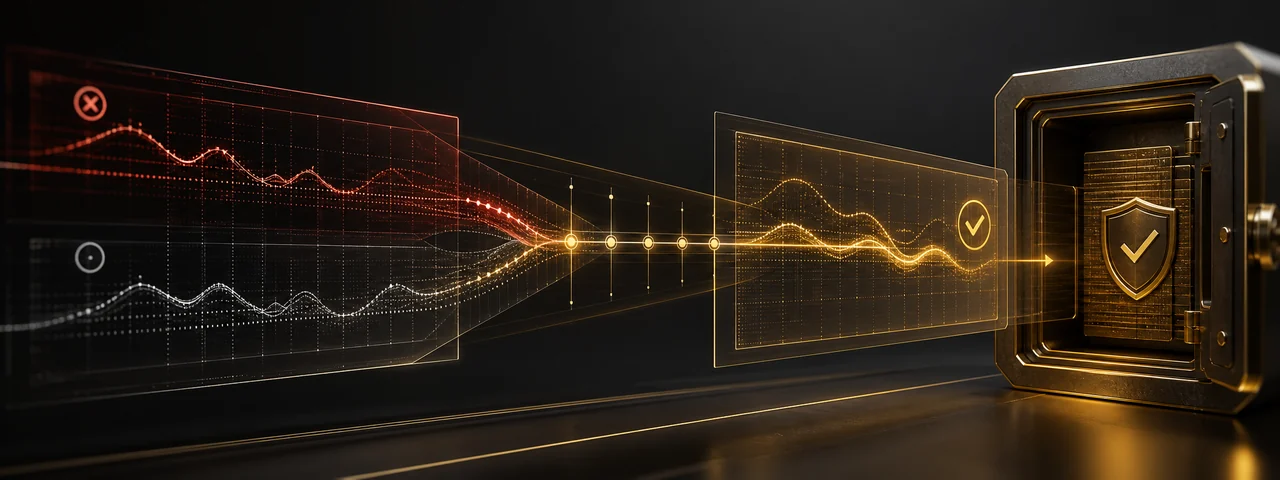 Corrections: Mismatch handlingIf the screen overlay and physical action appear to disagree, save the round ID, screenshot and history entry before support escalation. Do not assume the first display state is final.
What has to be checked before trusting a live-game claim?
A live table can be entertaining and still require ordinary evidence checks.
 Rules and paytable: Start with the game help screenRTP, commission, side bets, default decisions and feature rules belong to the exact title and table version.
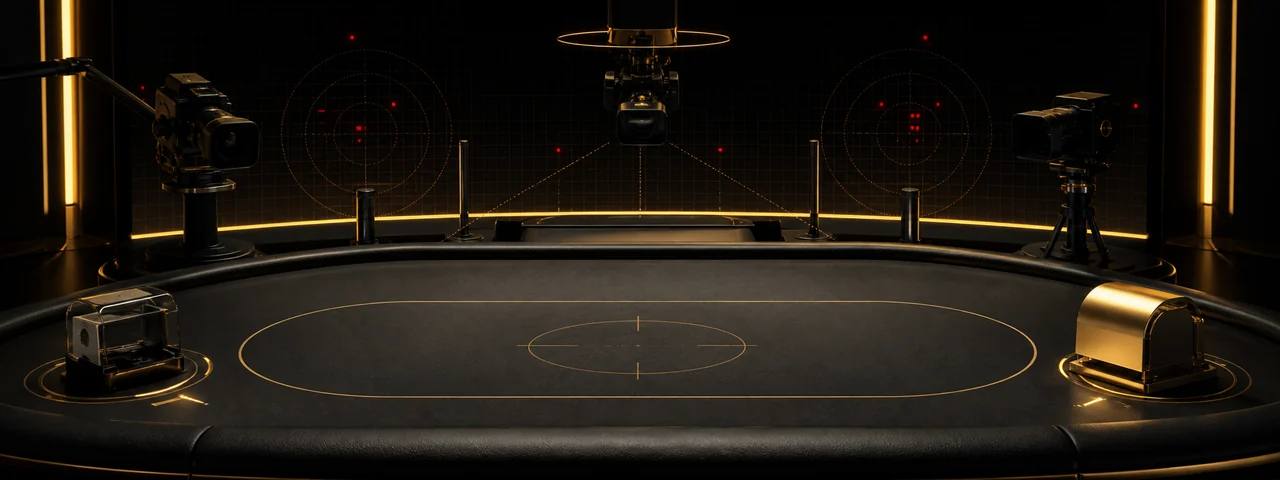 Procedure and equipment: Physical action must be controlledCards, wheels, dice and studio props need clear procedures, visible handling and approved equipment context.
 Capture and sync: The result must become reliable dataOCR, scanners, sensors and overlays have to synchronize the physical result with the platform record.
 Settlement and logs: The platform owns the account resultThe accepted wager, final result, transaction entry and round history decide whether a dispute has evidence.
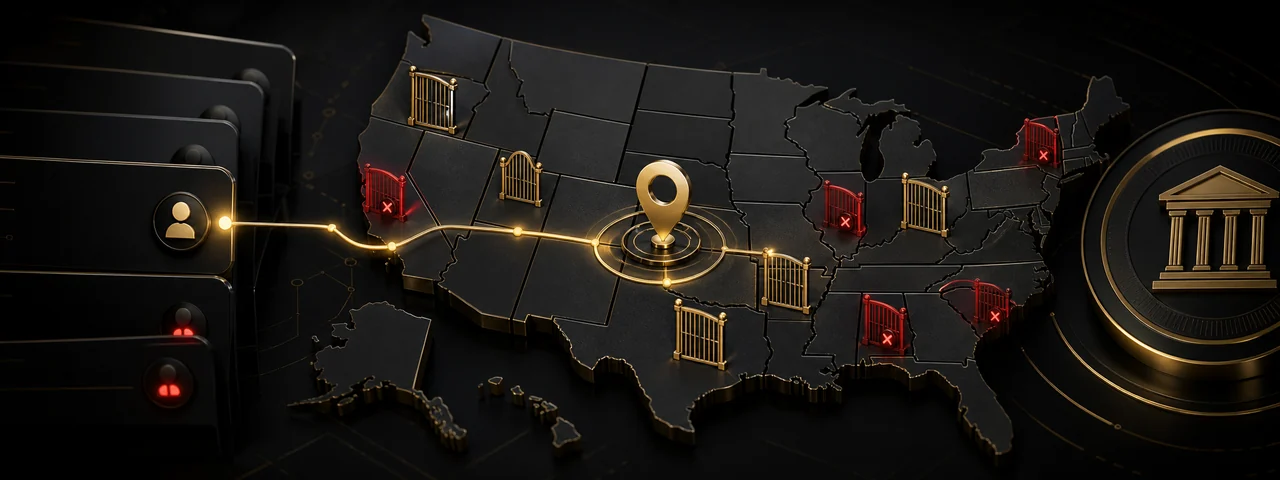 Operator and regulator: Availability is not provider-wideState, operator, account status, geolocation and current table access determine whether a player can use a game.
What to do when the stream, result or account state breaks
Most live dealer problems should be sorted by accepted-bet state, final result and round history before any new wagers.
| Problem | What it means | Record owner | Safe next step |
|---|---|---|---|
| Video freezes before confirmation | The user may not know whether the wager reached the platform. | If the wager is rejected or missing, the stream is not enough evidence. | Check round history, balance movement and support logs. |
| Video freezes after acceptance | The physical round may continue while the local stream buffers. | The accepted wager can settle from the studio result even if the player missed the visual action. | Use the settled round record and final result entry. |
| Input timeout or default decision | Some games apply default actions or reject late choices after the timer closes. | The rule screen owns the default-action answer. | Record the timestamp, decision state and accepted wager status. |
| Physical result and overlay disagree | A capture or display mismatch can appear during or after a round. | The final verified round result should be checked against the physical outcome and official history; under the GLI-19 model, the physical outcome is the controlling reference when digitized data conflicts with the physical randomness device. | Escalate with screenshot, round ID and support transcript. |
| Geolocation or account interruption | The account layer may block play, remove table access or interrupt cashier/session activity. | This is not a studio fairness issue by itself. | Use operator support, state rules and account records. |
Three round traces that show why records beat stream memory
These examples are about evidence order, not betting tactics.
 Blackjack buffering: Accepted wager before stream lagA blackjack bet is accepted, then the stream buffers during the deal. The round can still settle from the studio result. The useful evidence is the accepted wager, final hand, settlement entry and round ID.
 Roulette mismatch: Overlay looks wrong for a momentA wheel result appears one way on the physical video and another way in the overlay. Treat the physical outcome, final verified round history and support trail as the route. GLI-19-style live-game controls place physical-outcome precedence and documented correction inside the evidence framework, not a payout guarantee.
 First Person format: Live look, different outcome sourceA First Person version can use live-style graphics without being a standard live dealer studio round. The official product label and help screen decide whether the result source is physical live play or RNG-style output.
Official source snapshot for live dealer mechanics
These sources explain live-game testing, U.S. regulatory context, provider format labels and support routes.
| Source | Source owner | Checked | What it supports | What it does not prove | Safest use |
|---|---|---|---|---|---|
| GLI Live Dealer Gaming Testing | Gaming Laboratories International | July 13, 2026 | Remote game and player-interface testing, on-site studio inspection, and technical, synchronicity, staffing, premises and systems evidence categories. | No operator approval, legal access or result for a specific player. | Use as testing context |
| GLI-19 Live Game Requirements | Gaming Laboratories International | July 13, 2026 | Live-game information, interruption requirements, result-data accuracy, manual correction and physical-outcome precedence where digitized data conflicts with a physical randomness device. | No universal casino endorsement or state-level legality. | Use as technical framework |
| Michigan Live Game Regulatory Framework | Michigan Gaming Control Board | July 13, 2026 | U.S. state-level separation of live-game service-provider duties from platform responsibilities for accounts, geolocation, KYC, payments, complaints and responsible-gambling controls. | No national rule and no proof another state or operator allows the game. | Use for U.S. framework context |
| MGCB Evolution Live Dealer Authorization | Michigan Gaming Control Board | July 13, 2026 | Example of regulatory authorization for live dealer table games, secure live-game environment controls, and camera capture of dealer and physical play through licensed platforms. | No proof of all-state availability or every Evolution title. | Use as authorization example |
| BetMGM Live Dealer Broadcast Technology | BetMGM | July 13, 2026 | Operator-facing explanation of cameras, studios, streaming, OCR and Game Control Unit terminology. | No independent lab result, legal proof or better-odds claim. | Use as operator context |
| Evolution Live Casino and First Person Formats | Evolution | July 13, 2026 | Provider distinction between hosted live casino products and First Person RNG-style products. | No guarantee a title is available in every U.S. state or account. | Use for format labeling |
| Playtech Live | Playtech | July 13, 2026 | Provider context for dedicated live studios, live tables and hosted game formats. | No player-specific settlement proof or state-by-state access. | Use for provider context |
| Pragmatic Play Live Casino | Pragmatic Play | July 13, 2026 | Provider context for live-casino tables, game shows and HTML5 desktop/mobile delivery. | No proof of U.S. legal availability or operator account access. | Use for product context |
| NCPG Call, Text and Chat | National Council on Problem Gambling | July 13, 2026 | U.S. support route when live-session pressure, chasing or gambling harm appears. | No dispute ruling, payout approval or legal advice. | Use for support |
What a live dealer label does not prove
These are the common overclaims to avoid before choosing a table or escalating a dispute.
Pause live dealer play when these signals appear
Live tables can feel continuous. These signals are a reason to stop, save records and step away.
Open the route that owns the next live dealer question
Use these pages when the question becomes game-specific, mobile-specific, state-specific or support-related.
| Question type | When to use it | Route |
|---|---|---|
| Live dealer games hub | Use when the question is broader than one table or format. | Open the live dealer hub |
| Live blackjack | Use when the table involves blackjack decisions, side bets, surrender, insurance or dealer rules. | Open live blackjack |
| Live roulette | Use when the question involves a live wheel, roulette result, zero rule or spin history. | Open live roulette |
| Live baccarat | Use when the question involves banker/player/tie settlement, commission, squeeze or baccarat road display. | Open live baccarat |
| Mobile live dealer | Use when device, stream fit, portrait mode, latency or app behavior is the main issue. | Open mobile live dealer |
| Live dealer glossary | Use when OCR, GCU, result feed, round ID or studio terms are unclear. | Open the glossary |
| State legality | Use when availability, legal age, regulator route or market status is the issue. | Open state guides |
| Responsible gambling | Use when live speed, chasing, losses or session pressure are involved. | Open responsible-gambling support |
Live dealer mechanics FAQ
Short answers for the questions users usually ask before trusting a live dealer result or format label.
How do live dealer casino games work?
A live dealer game starts when the player opens a table, submits a wager and the platform accepts or rejects it. After betting closes, a physical outcome is produced in the studio, captured by OCR, scanners, sensors or verification tools, then settled by the platform against the accepted wager and stored in round history.
Is a live dealer game just a video stream?
No. The video stream shows the studio action, but the important records are the accepted wager, table rules, final result, settlement entry and round history. A delayed or frozen stream can be separate from the actual result record.
What is OCR in live casino?
OCR means optical character recognition. In live casino, it can help read cards, numbers, wheel positions or other visual result data so the system can convert physical action into digital game information.
Do all live dealer games use OCR?
No. Some live games use OCR, some use scanners, sensors, table systems, manual verification or a combination of tools. The exact game and provider decide how the result is captured.
What is a Game Control Unit in live casino?
A Game Control Unit is a common operator or industry label for a table-side system that can support live-game operation by connecting studio input, result capture, dealer workflow and platform communication. It is not a universal regulatory component, and the exact role depends on the provider and table setup.
What happens if the live stream freezes before my bet is accepted?
If the stream freezes before confirmation, the key question is whether the wager appears as accepted in account or round history. A visible chip on a frozen screen is weaker evidence than the platform record.
What happens if the live stream freezes after my bet is accepted?
If the wager was accepted before the freeze, the studio round may continue and settle from the final result even if the player did not see the full stream. Check the round ID, settled result and balance movement.
What happens if the displayed result and physical result disagree?
Use the final round history, physical result evidence, screenshots and support record. A display mismatch can be a capture or overlay issue, so the safest route is to document the round and escalate with the operator if the settled result looks wrong.
Do live dealer games use RNG?
Standard live dealer games usually use a physical outcome such as cards, wheels or dice. First Person or RNG versions can look similar but use a different outcome source. Always check the official game label and help screen.
Are live dealer games fair?
Fairness depends on the exact rules, approved equipment, capture process, testing evidence, operator implementation and regulator context. A live host, studio video or famous provider name does not prove favorable odds or legal access.
Are live dealer games legal in the United States?
Live dealer availability is state, operator, account and title specific. Some U.S. states authorize live dealer products through regulated operators, but that does not create nationwide access. Check the state guide and the operator terms.
Can live dealer round history predict future results?
No. Round history is useful for checking settlement and dispute records, not for predicting the next card, spin, dice result or bonus stage. Stop if the history view starts encouraging pattern chasing or recovery play.
What changed in this review?
July 13, 2026: refreshed live-game source hierarchy, separated standard live dealer from automated, hybrid and First Person formats, added interruption handling and updated the sitemap timestamp for this URL.